Look after the Bees
There are at least 1,500 species of insect pollinators in the UK. The main ones are bees – about 200 species in the UK (solitary bees, bumblebees and honeybees). Many species are declining in number due to pesticides, agricultural practices loss of habitat and climate change.
Threat to us?
The availability and diversity of fresh produce would decline substantially, and human nutrition would likely suffer. Fruit production would be strongly affected as most fruits require insects for pollination. Propagation of many vegetables would become problematic. 75% of flowering plants need help with pollination.
- What can we do?
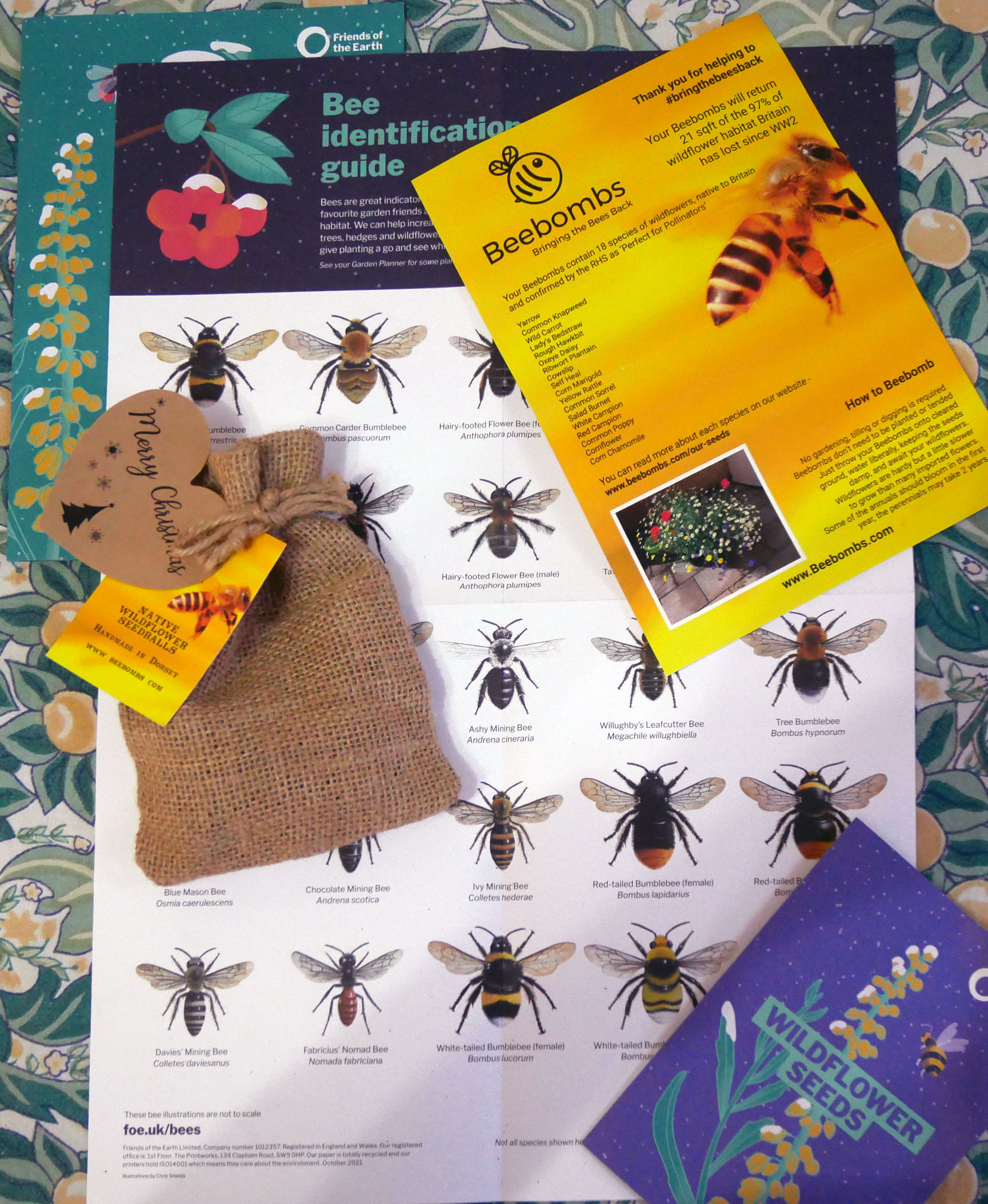
- Plant a Bee Garden
- Ditch insecticides and go chemical-free.
- Research Bees and make your own solutions
- Remember solitary bees, simple bug hotels will help
- Get children involved
- Plant some bee-friendly flowers in your garden or any area you can spare.
If everyone just did something kind, we will be repaid many times over. It might help your garden and it might help somebody else as well.
If we fail, some reliant plants might be lost, which reduces biodiversity which is seldom a good thing. In East Anglia, 17 species of bees have gone extinct. Drought impacts plants, but a tired bee needs a little sugar (not honey) water.
A further 25 species are threatened and 31 are of conservation concern. A good way to become more aware is to be able to identify some of the species – there is plenty of information available.
Flowers in early spring are few and far between. Ivy is a great treat to Bumblebees Honeybees, hoverflies and many butterflies – so don’t cut it back too early in the year. Fruit trees are early flowerers. Crocus and several other bulbs are good, Herbs such as Marjoram, Cowslips and Comfrey are examples of wildflowers that can be sown to help pollinators.