Recycling at Home
Most homes have at least two bins, one for recycling material and one for material that cannot be recycled and will probably end up in landfills.
Of course, there are people that put stuff in bins until they are full then use the other – regardless of whether it can be recycled or not. There are also well-intentioned people that mix contaminated material that might have been recycled, but the contamination spreads to other items resulting in the entire bin being reduced to landfill.
Ideally recycled material should remain dry and clean. Few people want to spend time cleaning stuff that is going into a waste bin, but a simple rinse could make all the difference. Sometimes there is space in the dishwasher to take a can or plastic container at no additional cost.
Sometimes plastic bottles just need to be emptied rather than disposing of them with liquid inside and the top screwed on. Keeping cardboard and paper dry means it can be extracted from the recyclable waste when it is processed.
Modern machinery can identify different types of plastic and glass on a conveyor bet of waste. Aluminium can be extracted as can steel products. The separation goes on and is gathered with similar materials, the purest material is worth more than low grade mixed stuff.
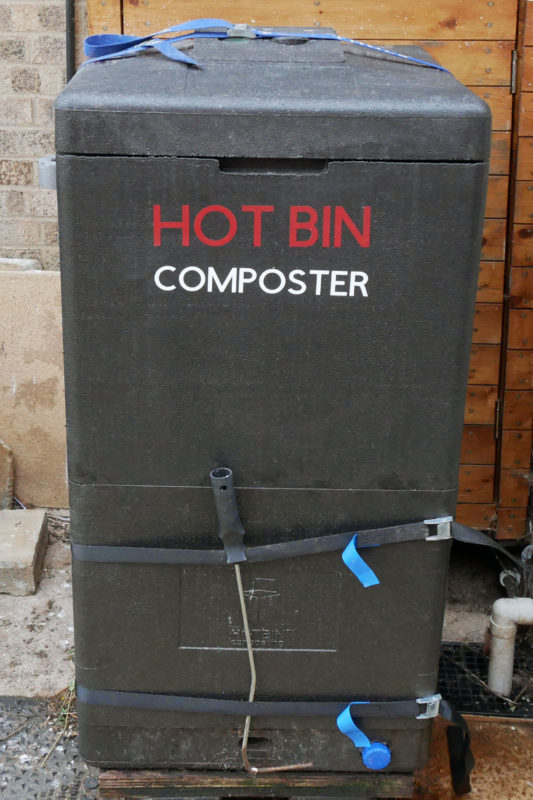
Our household finds that by having a couple of waste bins separation is easy to do. We also have a Hot Composter that stands in line with the bins, it takes a regular delivery of food waste from a small caddy in the kitchen. The bacteria go to work on the peelings and waste food, the temperature rises, even in frosty weather, the result is black compost that can be used in the garden. To keep it moist enough, but not too wet, shredded paper is mixed in.